




The 3-Second Decision

The average supermarket carries 33,248 items (FMI, 2025). No shopper meets them all. Most products in a store are not rejected. They are never seen.
Which means the first sale is not the purchase. It is the glance. Win it, and price and taste get their hearing. Lose it, and nothing else about the product exists.
SHOPPERS SCAN. THEY DO NOT STUDY.
The romantic version of shopping has a consumer reading labels, weighing options, comparing merits. The eye-tracking record says otherwise.
- 13 seconds: the average time a shopper spends choosing a brand in-store (Ehrenberg-Bass Institute)
- 1.9 seconds: the average look a single pack receives on the shelf (EyeSee)
- About a third of the brands on a shelf get noticed at all, and roughly 3 of 12 make a shopper's consideration set (Journal of Marketing eye-tracking research)
Translation: the shelf is not a debate. It is an elimination round, and most products are out before the shopper knows they were in.
THE PACK IS THE PITCH
The same eye-tracking work puts numbers on why simplicity wins. The average pack carries about seven distinct elements, which would take roughly 4.6 seconds to register. The shopper gives it 1.9 (EyeSee). More than half of what a busy label says is never read.
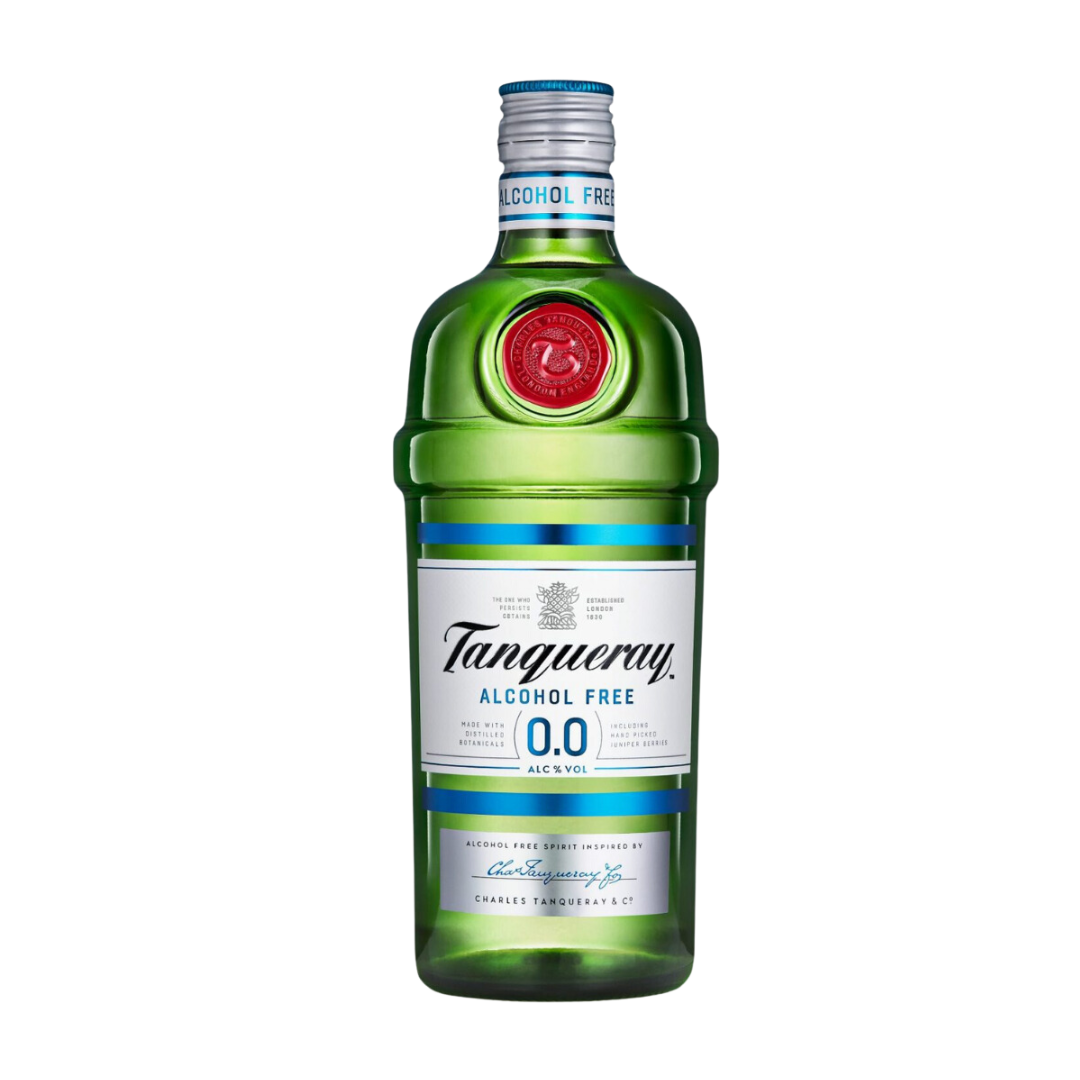
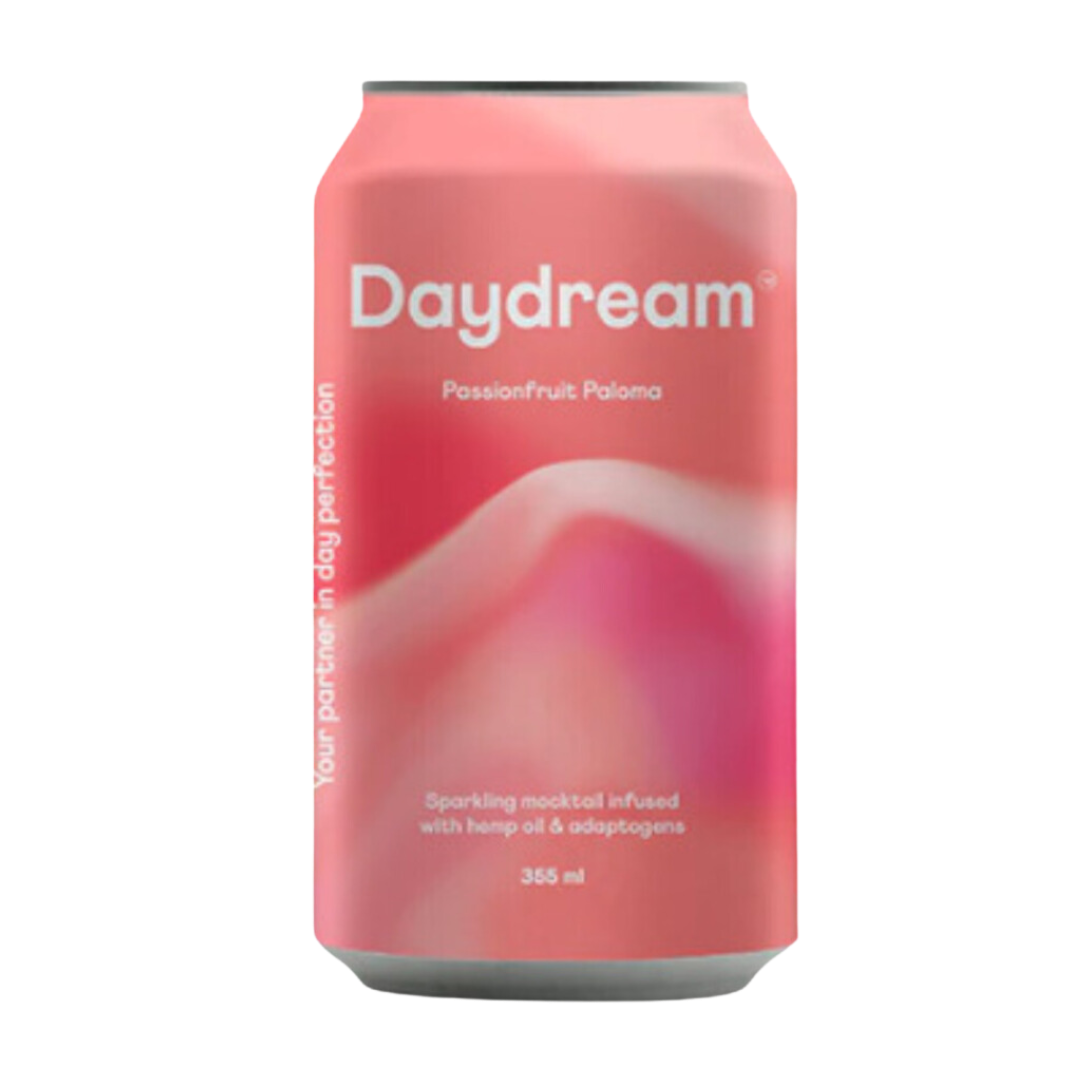
A pack that survives the sweep answers two questions at a glance: what is it, and why this one. In a cooler where a wall of non-alcoholic beer now sits beside full-strength lookalikes, the stakes are concrete. A can whose "0.0" reads from a metre away is doing sales work. A can that needs to be picked up and turned around is asking the shopper for time they have already spent.
ATTENTION COMES BEFORE PRICE AND QUALITY
Operators love to argue price and liquid quality, and both matter. But both argue second. Quality cannot testify from inside a can nobody lifted, and price only shapes the tasting, as covered in Can Price Change How a Beverage Tastes?, once the product has earned the look. Attention is not one factor among several. It is the gate the other factors wait behind.
THE WINDOW TRAVELS
The three seconds are not a retail quirk. On mobile, active attention runs 1.6 seconds for web video ads and 2.5 seconds for social video, with drop-off setting in after four (Amplified Intelligence). A thumbnail in a product grid is a shelf facing. A scrolling feed is an aisle walked at speed. Different shelf, same sweep, same verdict.
THE VERDICT
Brands rehearse the long argument: sourcing, process, awards, reviews. The shopper grants three seconds to decide whether any of it will be heard. Before a product can win the sale, it has to win the glance, and the glance is the only meeting the whole market shows up to.

Leave a comment