




The Second Wave of Non-Alcoholic

The first wave of non-alcoholic had one job: stand in for alcohol. The label said 0.0 or 0.5, the liquid imitated a lager, and the target customer was someone who could not drink that night. The entire pitch was absence.
That wave built the shelf. It is not what is filling the basket anymore.
The second wave has a different buyer: one who picks the drink because it is the right drink for the moment, whether or not alcohol was ever on the table. Replacement built the category. Preference is what is growing it.
FROM SUBSTITUTE TO FIRST CHOICE
The motive is shifting under the category. 32% of no/low buyers now name taste as the reason they buy, up from 28% in 2022, and 53% describe no/low brands as exciting, up from 48% (IWSR). Those are not the answers of people settling for the closest legal substitute. They are the answers of people who have a favourite.
THE NUMBERS BEHIND THE SHIFT
- 61 million people recruited into no-alcohol across the top 10 markets between 2022 and 2024 (IWSR)
- +9% global no-alcohol volume growth expected for 2025, with a +7% annual pace forecast through 2028 (IWSR)
- 1 to 2% forecast growth for total beverage alcohol over the same period (IWSR)
- 30% of no/low occasions would previously have been a full-strength drink (IWSR)
Translation: seven out of ten non-alc occasions are not replacing a drink at all. They are occasions the alcohol industry never owned.
THE OCCASION MAP GOT BIGGER
First-wave thinking assumed one occasion: the night out, minus the alcohol. The second wave is being poured at a desk, after a workout, over a client lunch, at the 4 p.m. slot that used to belong to a second coffee. A category that once borrowed alcohol's occasions is now keeping alcohol's rituals while adding daytime ones alcohol could never enter. Each new occasion is incremental volume, not a swap.
INNOVATION BEYOND IMITATION
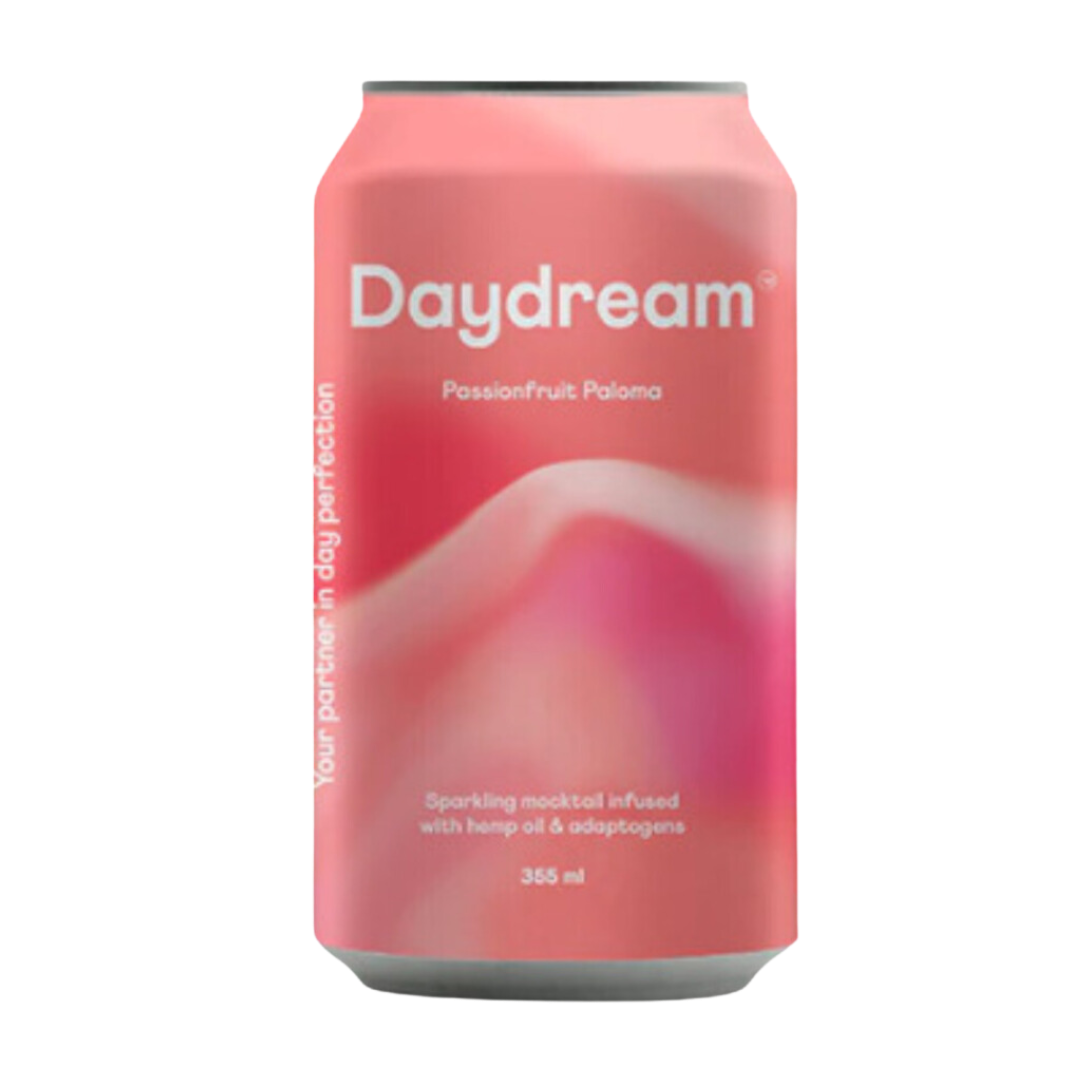
First-wave products were defined by their full-strength parent: a non-alcoholic beer that promised to taste like beer, a wine minus the wine. The second wave increasingly has no parent at all. Alcohol adjacents, drinks built for the occasion rather than copied from a category, are expected to grow +11% in volume in 2025 (IWSR), and their buyers are not asking for permission slips: only 26% chose them for health, while 20% came out of curiosity and 17% for an effect of their own (IWSR).
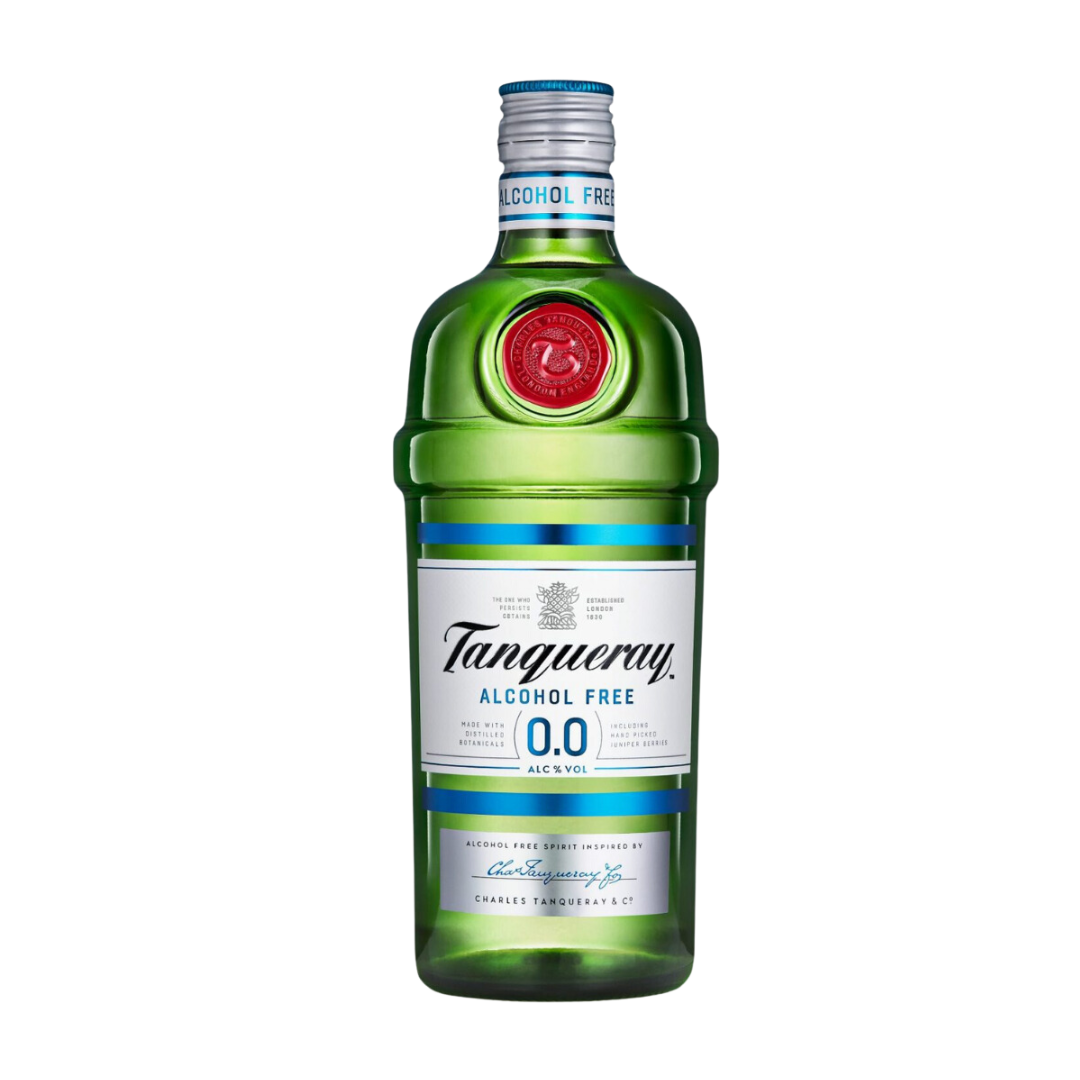
The same logic is pulling non-alcoholic spirits upmarket: distilled botanicals, real barrel notes, prices that signal craft rather than apology. The winning products are no longer graded on how well they impersonate alcohol. They are graded as drinks.
THE VERDICT
The first wave asked what could replace alcohol. The second wave asks what is the best drink for this occasion, and it keeps finding occasions alcohol never served. A category built as a substitute has stopped defining itself by what it removes. The growth says the customer stopped first.

Leave a comment